Artist
LE ORME
1966-67
Aldo Tagliapietra (vocals, guitar)
Nino Smeraldi (guitar)
Claudio Galieti (bass)
Marino Rebeschini (drums)
1967
Rebeschini replaced by:
Giuseppe "Michi" Dei Rossi (drums)
1968-70
Aldo Tagliapietra (vocals, guitar)
Nino Smeraldi (guitar)
Antonio "Toni" Pagliuca (keyboards)
Claudio Galieti (bass)
Michi Dei Rossi (drums)
1969
Galieti quits, De Rossi temporarily replaced by
Dave Baker (drums)
1970-75
Aldo Tagliapietra (vocals, bass, guitar)
Toni Pagliuca (keyboards)
Michi Dei Rossi (drums)
1975
enters:
Tolo Marton (guitar)
1976-80
Marton replaced by:
Germano Serafin (guitar)
1980-82 and again 1986-1990
Aldo Tagliapietra (vocals, bass, guitar)
Toni Pagliuca (keyboards)
Michi Dei Rossi (drums)
1996-2000
Aldo Tagliapietra (vocals, bass, guitar)
Michele Bon (keyboards)
Francesco Sartori (keyboards)
Michi Dei Rossi (drums)
2001
Sartori replaced by
Andrea Bassato (keyboards, violin)
2008
Bassato quits
2010
Michele Bon (keyboards)
Fabio Trentini (guitar and bass)
Michi Dei Rossi (drums)

One of the most important and loved Italian prog bands,
and one of the most famous among foreign listeners.
Le Orme were another of those bands coming from the beat era that had the most
convincing musical evolution in the 70's. They were formed in Marghera
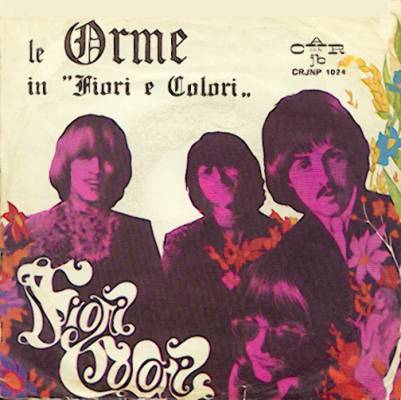
(near Venice) in 1966 but their debut came in 1967 with Fiori e colori,
recorded by the original four-piece line-up.
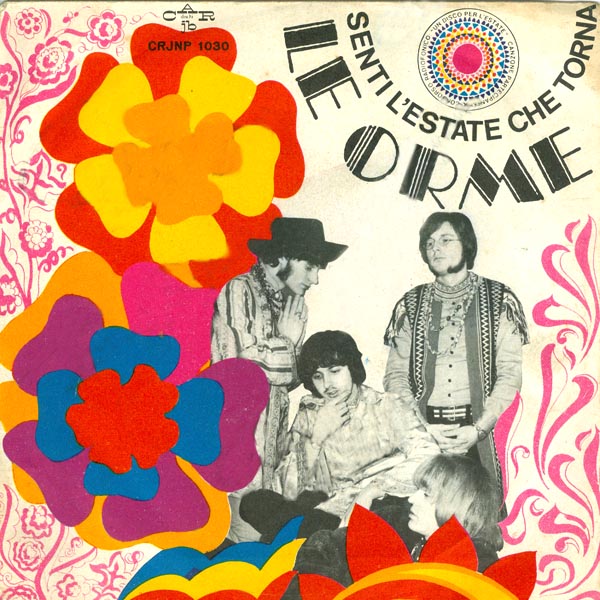
The band had a successful single with Senti l'estate
che torna and recorded their first album Ad Gloriam at the end of
1968, releasing it the following year.
Housed
in a psychy sleeve the album is still regarded as one of the best in the Italian
beat, with the music having a slight psychedelic touch in songs like Io non
so restare solo, Fumo, Milano 1968.
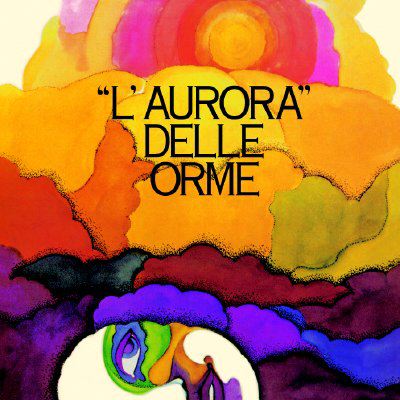
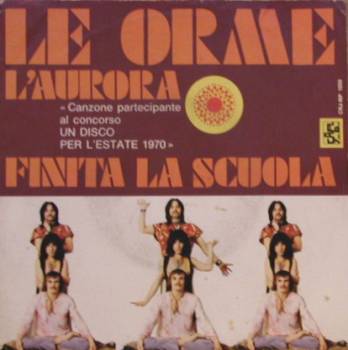
In 1970 the band signed a contract with Philips, that released their subsequent 10 albums in ten years. The old label Car Juke Box released L'Aurora, a compilation of their singles tracks that's also very rare now.
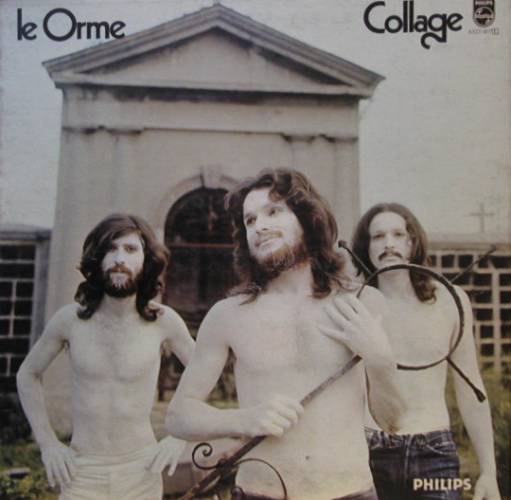
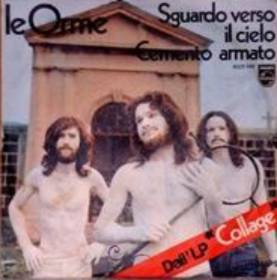
First album with Philips, and their first as a trio was Collage, with Aldo Tagliapietra having switched from guitar to bass and the band having now a keyboards based sound like foreign groups such as ELP. They had also made a trip to London to follow the current music evolution. A very good album, Collage contains some of their best tracks ever like Sguardo verso il cielo and Cemento armato.
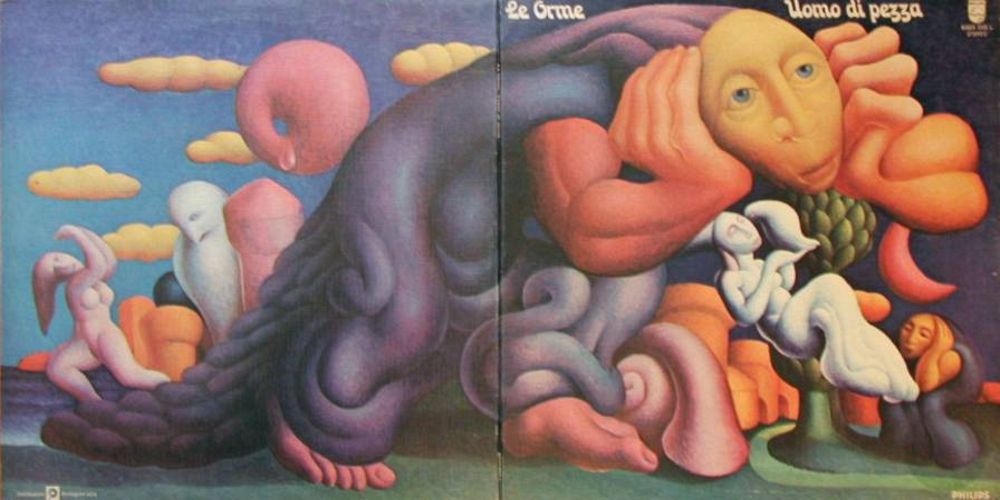
With a great live following the band released a new album in 1972, Uomo di pezza, with a distinctive fantasy gatefold cover. The album was very successful, as the single taken from it, Gioco di bimba, that many of their fans disliked being too melodic. In the same year the band left the open-air festival circuit and began individual tours, with important guests such as Peter Hammill.
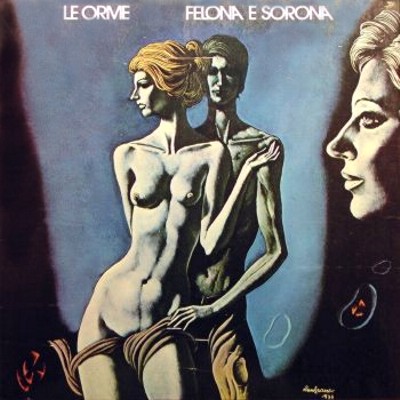
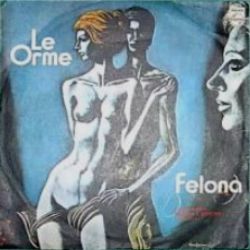
1973 saw the release of an ambitious concept album, Felona
e Sorona, based on the story of these two planets. A beautiful album,
containing a long suite, it also gave the band high placements in the LP and
singles charts (with the single Felona in this case). The sound was more
original, with the keyboards of Pagliuca being the leading instrument and the
delicate original voice of Tagliapietra giving a distinctive touch.
Le Orme made
their first English tour that year, and Felona e Sorona was also translated in
English and released by Charisma in the UK, but with little success.
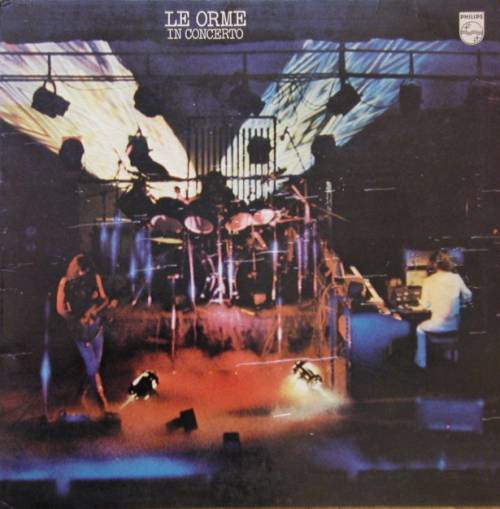
Coming back to Italy, they were the most popular live group at the time, and decided to release a live album, In concerto in 1974. This was the first live album by an Italian rock band and a very successful one, though the recording quality was far from today's standards. The album also included an unreleased track, the side-long 21 minute Truck of fire.
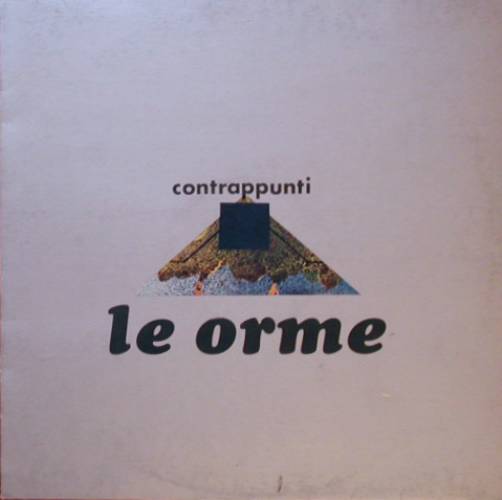
Contrappunti, released the same year, was a lower level effort in comparison with the previous works, with long instrumental parts (three of the seven tracks were instrumental) and producer Gian Piero Reverberi mentioned in the cover notes as a band member on piano.
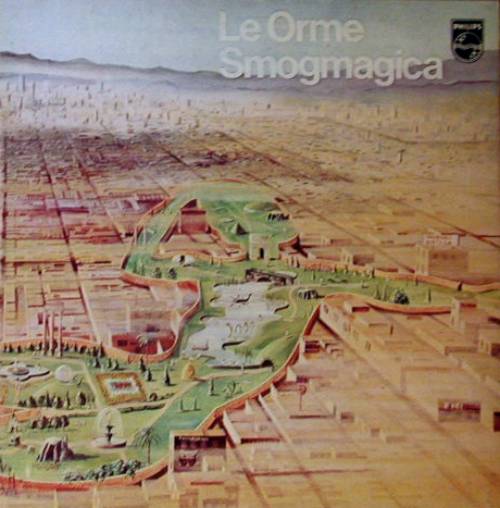
Probably in search of a new sound the band enroled a fourth member, guitarist extraordinaire Tolo Marton (from Raptus), for their next album Smogmagica. And the album, recorded in Los Angeles, has in fact a different sound, with less predominance left to keyboards and the guitar in evidence, with spacey tracks like Laserium Floyd (with obvious Pink Floyd influences) or Laurel Canyon. The album was not entirely convincing, and newcomer Marton soon left the band, replaced by another guitarist, Germano Serafin.
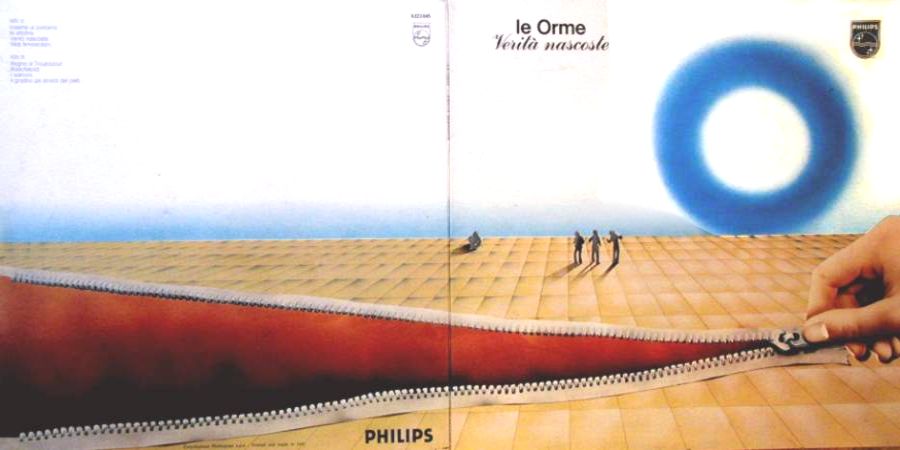
With the new member they released next album Verità
nascoste in 1976, a very good one and probably their last good album for
many years. A hit single was also taken from it with Regina al Troubadour,
and the album, despite some melodic songs has some very good moments like Insieme
al concerto and Vedi Amsterdam.
Like Felona & Sorona this album was also recorded in an English-sung
version for foreign markets, but Secret truths was never released, though
it exists in bootleg form.
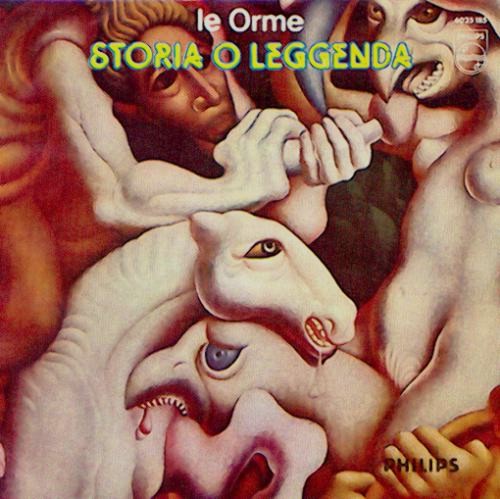
From 1977 the band entered its worst period, releasing albums
like Storia o leggenda and Florian having a stronger classical influences
and on a lower level than their previous works.
This lasted until 1982, when the group broke up for the first time.
Aldo Tagliapietra released a rock-oriented solo album in 1984, then the band
temporarily reunited
in 1986 for a single, but only in 1990 they returned together, again with Philips
for a pop album.
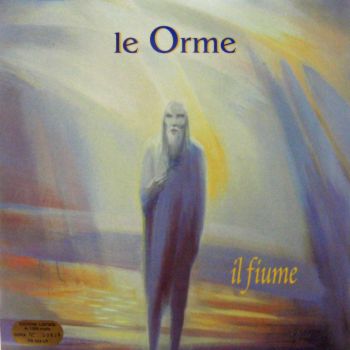
A new split came, with Toni Pagliuca beginning a solo career and the other two members (Tagliapietra and Dei Rossi) reforming the band, this time with two keyboardists, Michele Bon and Francesco Sartori. The revived group began touring again, and made its debut with Amico di ieri, a CD issued in 1997 containing remakes of tracks from their whole repertoire. Later in the same year they released a very good brand new album, Il fiume, closer to their early 70's sound. The album had a good success and the band was also invited to the Los Angeles Progfest in May 1997. Many other important foreign dates followed in these years.
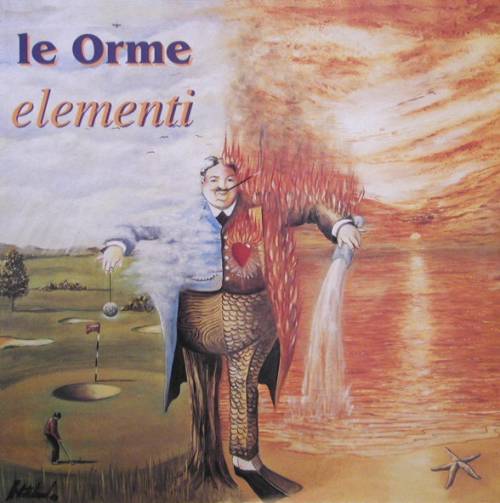
In 2001 another nice album, Elementi, housed in
a nice cover by Paul Whitehead (of Genesis fame) featured last recruit, keyboardist/violinist Andrea Bassato,
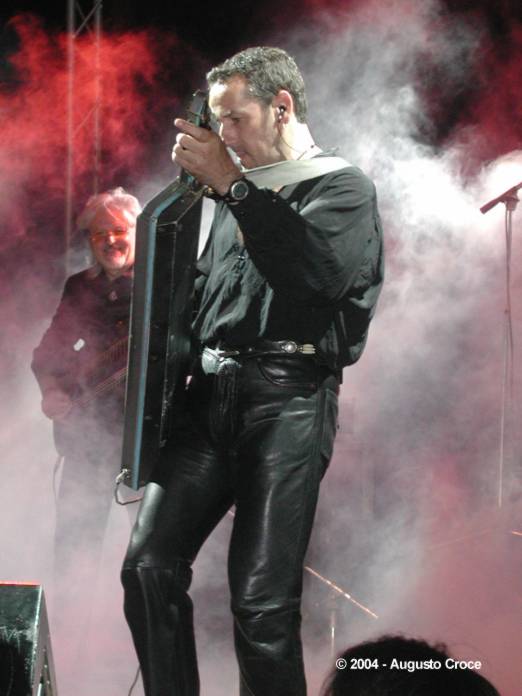
their sound consistently enriched by the unusual sampled guitar sounds by
Michele Bon, played on a self-made keyboard,
and it seemed that Le Orme had definitely found a second youth.
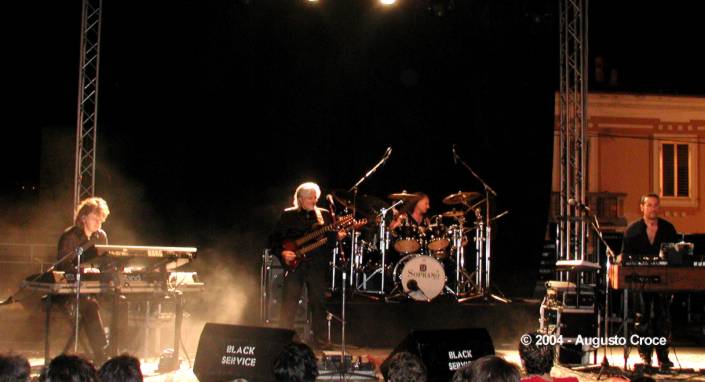
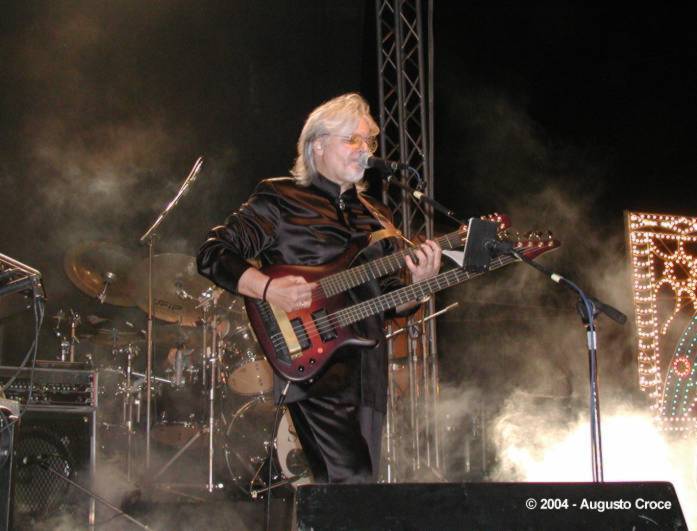
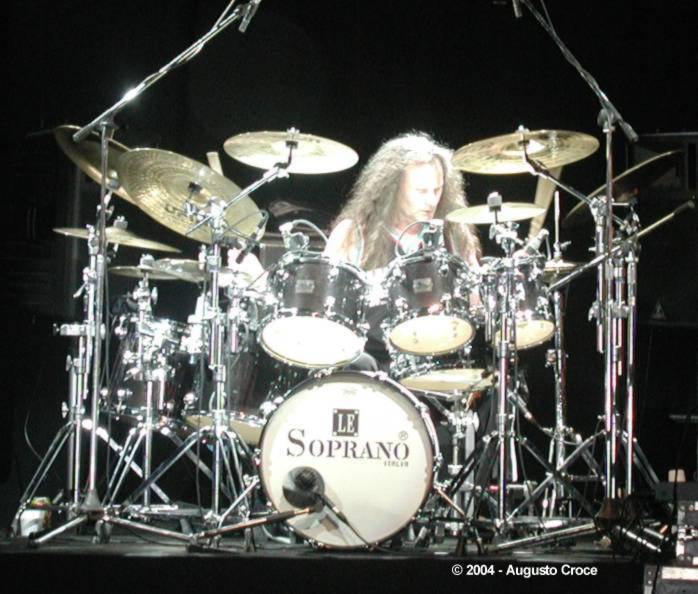
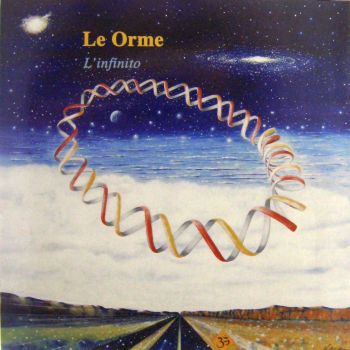
The third chapter in this trilogy of revamped prog works came in 2004, entitled
L'infinito, on the same level as the previous ones, the group
having now a slightly different sound than in the past, more based on piano and guitar,
but the quality of their works is still very high, just like their live
set.
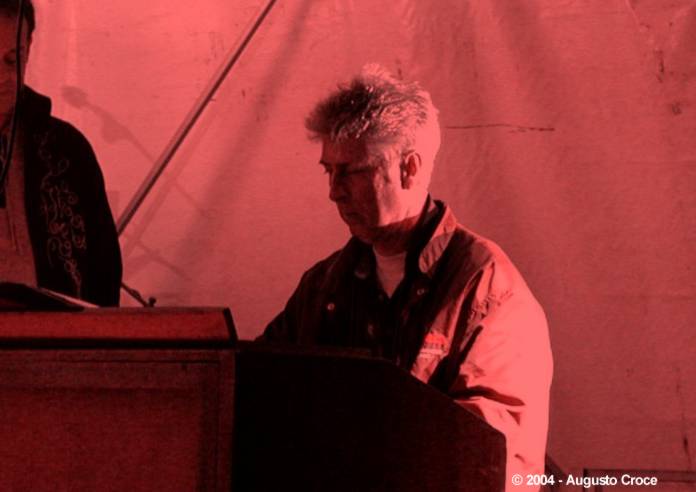
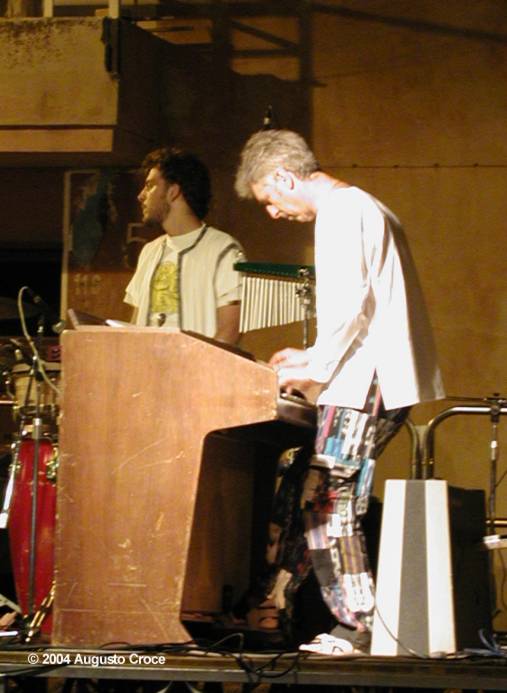
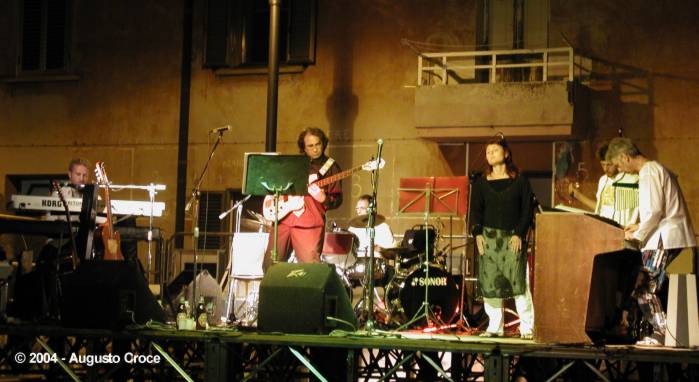
2004 also saw new live appearances by Toni Pagliuca, who played with ethno-prog band Malaavia from Naples in many dates, adding to that band's live set some old classics by Le Orme. In the same year Pagliuca released two interesting CD's, both only issued in limited pressing and now hard to find, Demos a Marghera, including studio recordings from 2003 and 2004, and the live Re-Collage (as its name suggests, based on the classic Collage album) with help from Van Der Graaf' Generator's sax player David Jackson and Massimo Donà Quintet.
At the beginning of 2008 Andrea Bassato left Le Orme, that remained in activity as a trio, with Tagliapietra, Dei Rossi and Bon. In the same year the group released, first in limited edition reserved to the Fan Club members and later in official form, a 2CD+1DVD box set taken from their live appearance at the Nearfest, in Pennsylvania, in 2005.
In November 2009 Aldo Tagliapietra announced his retirement from Le Orme after 40 years. The other musicians, Michi dei Rossi and Michele Bon, still using the name Le Orme, decided to go on with bass and guitar player Fabio Trentini and with help from Jimmy Spitaleri (the singer of Metamorfosi) in concert.
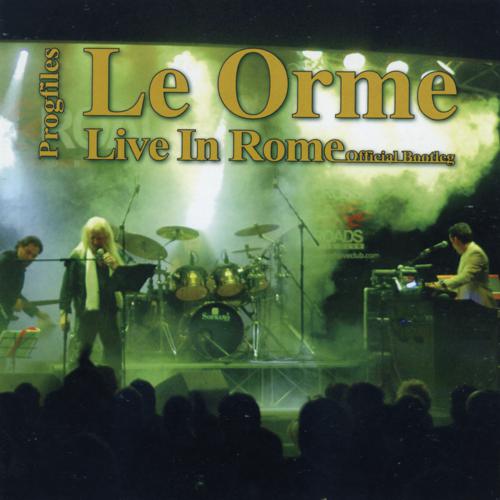
This line-up released an official bootleg, recorded live in 2010 and only sold by their Fan Club, entitled Progfiles - Live in Rome and embarked in a long tour to promote the album La via della seta.
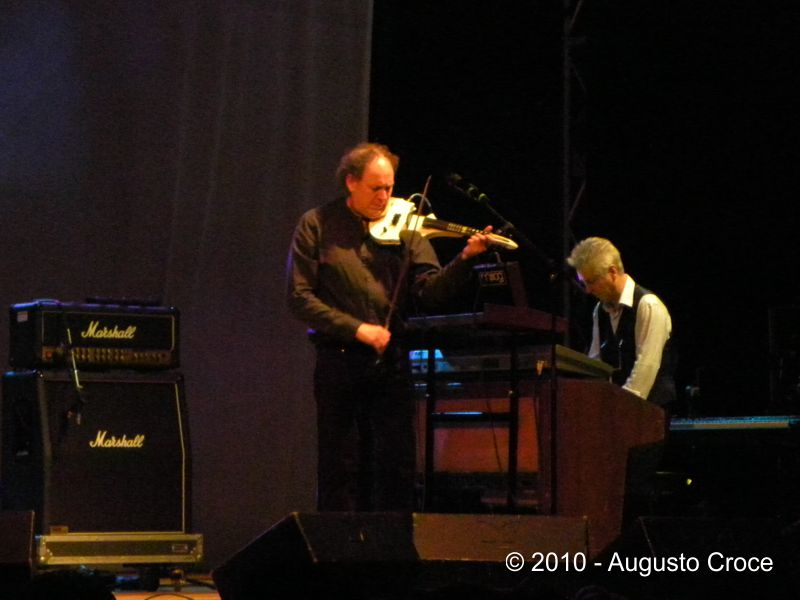
Aldo Tagliapietra teamed up again with Toni Pagliuca and Tolo Marton to play at Rome's Prog Exhibition in November 2010, continuing his solo activity in the following years.
The group led by Michi dei Rossi released in 2016 a double album called Felona e/and Sorona 2016, containing the full remake of the historical 1973 album in both Italian and English version. Fabio Trentini left after this album and was replaced by Alessio Trapella on Sulle ali di un sogno, issued in 2019 and Luca Sparagna on Le Orme & friends in 2023.

| LP | |||
| Ad gloriam | Car Juke Box (CRJLP 00015) | 1969 | gatefold laminated cover with inner opening - red/silver label - some copies exist with inner sleeve |
| Car Juke Box (CRJLP 00015B) | 1996 | reissue of the above - gatefold non-laminated cover with side opening - red/white label - 500 copies limited pressing | |
| Akarma (AK 060) | 2000 | gatefold cover - bonus 7" single Senti l'estate che torna | |
| AMS/BTF (AMS LP 29) | 2010 | gatefold cover - newly reissued in 2021 with clear vinyl | |
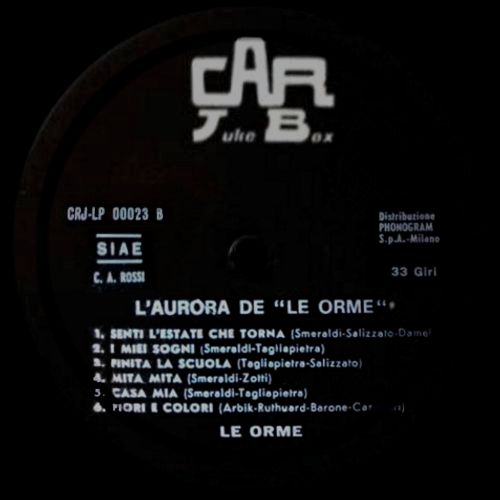
| L'aurora | Car Juke Box (CRJLP 00023) | 1970 | front laminated single cover - black label |
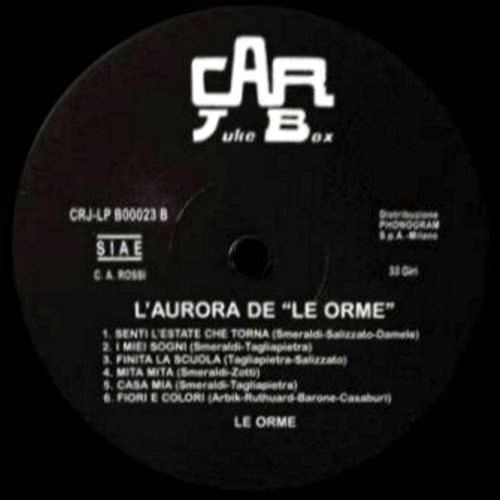
| Car Juke Box (CRJLP B00023) | 1997 | reissue of the above - single cover and bonus sticker - black/white label - 520 copies limited pressing | |
| Akarma (AK 067) | 2000 | gatefold cover | |
| AMS/BTF (AMS LP 30) | 2010 | single cover - newly reissued in 2021 with clear vinyl | |
| Collage | Philips (6323 007) | 1971 | gatefold laminated cover |
| Philips/Successo (9279 627) | 198? | single cover reissue | |
| Philips/Universal (2786148) | 2011 | new reissue with gatefold cover | |
| BTF/Vinyl Magic (VM LP 173) | 2015 | gatefold cover and black or clear vinyl, later reissued with red vinyl | |
| Polydor (3548147) | 2021 | volume 3 in the Universal "Prog Rock Italia" series - gatefold cover - issued on clear green (99 copies) or standard black vinyl | |
| Universal/De Agostini (6323 007L) | 2021 | gatefold cover with 8-page insert - no.92 in the De Agostini "Prog Rock Italiano" series | |
| Uomo di pezza | Philips (6323 013) | 1972 | gatefold textured cover |
| Philips/Successo (6323 013) | 198? | single cover reissue | |
| Philips/Universal (2786149) | 2011 | gatefold cover | |
| BTF/Vinyl Magic (VM LP 174) | 2015 | gatefold cover and black or blue vinyl - reissued again in 2020 with green or red vinyl and 2021 with clear blue vinyl | |
| Philips/Universal (4530748) | 2022 | volume 17 in the Universal "Prog Rock Italia" series - gatefold cover - issued on blue, orange (99 copies each) or standard black vinyl (899 copies) | |
| Felona e Sorona | Philips (6323 023) | 1973 | gatefold laminated cover |
| Philips/Successo (6323 023) | 198? | single cover reissue | |
| Philips/Universal (2771667) | 2011 | 2LP - gatefold cover and inners, includes the Italian and English versions of the album - 1000 numbered copies | |
| BTF/Vinyl Magic (VM LP 175) | 2015 | gatefold cover and clear green or blue vinyl - later reissued with red vinyl | |
| Philips/De Agostini (6323 023) | 2017 | gatefold cover with 8-page insert - no.7 in the De Agostini "Prog Rock Italiano" series | |
| Philips/Universal (3529061) | 2023 | volume 22 in the Universal "Prog Rock Italia" series - gatefold cover - issued on black vinyl (899 numbered copies) or yellow (99 copies) | |
| In concerto | Philips (6323 028) | 1974 | gatefold laminated cover |
| BTF/Vinyl Magic (VM LP 176) | 2016 | reissue with gatefold cover and red/black splatter vinyl | |
| Contrappunti | Philips (6323 035) | 1974 | single cover with lyric inner |
| Philips/Successo (6323 035) | 198? | reissue - no inner | |
| Philips/Universal (2786151) | 2011 | new reissue with single cover and inner | |
| Philips/De Agostini (69) | 2020 | single cover with inner and 8-page insert - no.69 in the De Agostini "Prog Rock Italiano" series | |
| Philips/Universal (3577224) | 2024 | volume 24 in the Universal "Prog Rock Italia" series - 500 numbered copies with orange vinyl | |
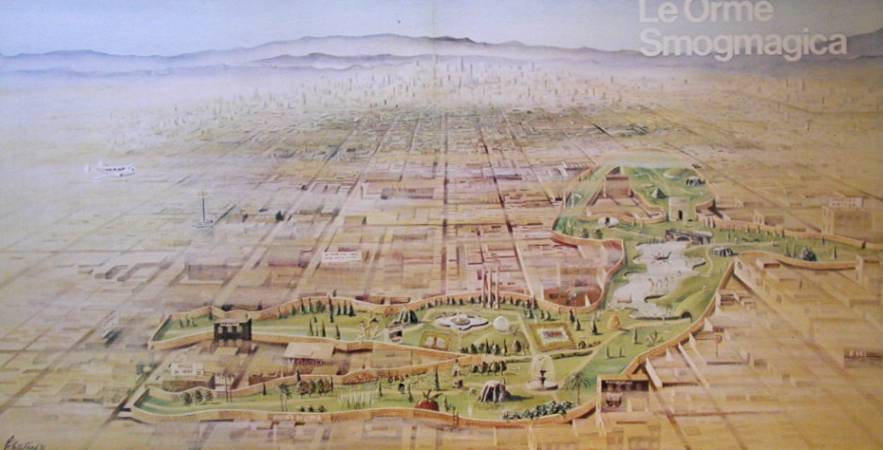
| Smogmagica | Philips (6323 041) | 1975 | gatefold cover with poster |
| Philips/Successo (6323 041) | 198? | single cover reissue | |
| BTF/Vinyl Magic (VM LP 177) | 2016 | reissue with gatefold cover and white/yellow splatter vinyl | |
| Verità nascoste | Philips (6323 045) | 1976 | gatefold laminated cover |
| Philips/Successo (6323 045) | 198? | single cover reissue | |
| BTF/Vinyl Magic (VM LP 192) | 2017 | reissue with gatefold cover and turquoise vinyl - reissued again in 2021 with yellow vinyl | |
| Storia o leggenda | Philips (6323 052) | 1977 | single cover with lyric inner |
| Philips/Successo (6323 052) | 198? | reissue - no inner | |
| BTF/Vinyl Magic (VM LP 193) | 2017 | reissue with single cover, inner and green vinyl - later reissued with red vinyl | |
| Florian | Philips (6323 086) | 1979 | gatefold cover with lyric inner |
| Philips/Successo (6323 086) | 198? | single cover reissue | |
| BTF/Vinyl Magic (VM LP 194) | 2017 | reissue with gatefold cover, inner and yellow vinyl | |
| Piccola rapsodia dell'ape | Philips (6323 102) | 1980 | gatefold laminated cover with lyric inner |
| BTF/Vinyl Magic (VM LP 195) | 2017 | reissue with gatefold cover, inner and yellow vinyl | |
| Venerdì | DDD (ZPLDR 34145) | 1982 | single cover with lyric inner |
| Sony Music (19439 97403 1) | 2022 | single cover with inner - orange vinyl - 500 numbered copies | |
| Orme | Philips (846 410) | 1990 | single cover with lyric inner |
| Il fiume | Tring (TRI 024) | 1997 | gatefold cover - 1000 numbered copies |
| Omega Entertainment (OA7022LP) | 2022 | reissue of the above - gatefold cover | |
| Elementi | Crisler/MP (MPRLP 039) | 2001 | single cover with lyric inner |
| Omega Entertainment (OA5516) | 2016 | reissue of the above - 600 numbered copies | |
| L'infinito | Crisler (CLP 1001) | 2005 | gatefold cover - released some months after the CD version |
| Omega Entertainment (OA7522LP) | 2022 | reissue of the above - gatefold cover | |
| Live in Pennsylvania | Sonny Boy (SBM 0001/LP) | 2009 | 3LP (2 x 12" + 1 x 10") - numbered 999 copies edition - gatefold glossy cover + insert - includes 3 tracks more than the CD+DVD version |
| Hi-Qu/Warner (5021732725950) | 2025 | numbered reissue - 2LP on grey and turquoise vinyls | |
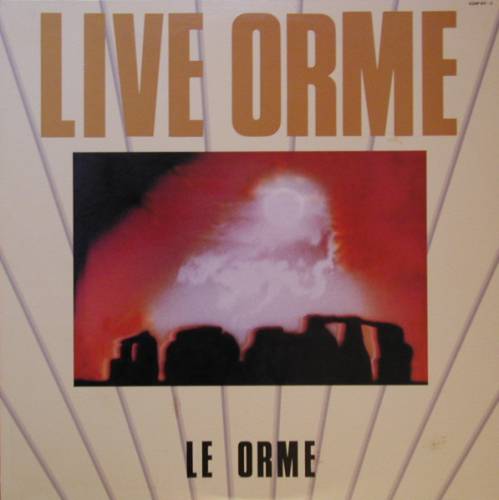
| Live Orme | Black Widow (BWR 115) | 2009 | 3LP (2 x 12" + 1 x 10") - reissue of the 1986 Japanese live album with 5 bonus tracks - gatefold cover |
| La via della seta | Love Music (LM 001) | 2011 | gatefold cover and insert - 999 numbered copies |
| Hi-Qu/Warner (5021732417800) | 2024 | numbered reissue with bordeaux vinyl | |
| Felona & Sorona (English version) | BTF/Vinyl Magic (VM LP 178) | 2015 | reissue of the 1973 Charisma LP with gatefold cover and clear blue vinyl |
| Felona e/and Sorona 2016 | Love Music (LM 002LP) | 2016 | 2LP+2CD - remake of the 1973 album in Italian and English version by the new line-up |
| Amico di ieri | Omega Entertainment (OA6516) | 2017 | LP+CD - reissue of the 1997 CD - gatefold cover - 999 numbered copies |
| ClassicOrme | Love Music (LM 003LP) | 2017 | gatefold cover - 999 numbered copies - also issued in 300 copies box set with LP, CD, 7" and t-shirt |
| Sulle ali di un sogno | Sony BMG (19075932841) | 2019 | gatefold cover - 999 numbered copies |
| Le Orme & friends | Ma.Ra.Cash (MRCLP044) | 2023 | 2 LP gold vinyl - 500 numbered copies |
| Hi-Qu/Warner (5021732378316) | 2024 | new 4 LP numbered edition with different artwork | |
| Il leone e la bandiera | Hi-Qu/Warner (8059796930352) | 2024 | 500 numbered copies - first album of the Le Orme & friends box set |
| Le Orme plays Venice | Hi-Qu (HQ132025LP) | 2025 | 2LP+DVD - 300 numbered copies - recorded live in Padua in March 2025 |
|
CD (partial discography) |
|||
| Uomo di pezza | Philips/Universal (832067-2) | 1987 | reissue of 1972 album |
| Mercury (558 376-2) | 1998 | as above - digipack cover | |
| Philips/Mondadori (4) | 2018 | reissue of 1972 album - mini-LP gatefold cover with booklet - no.4 in the Mondadori "Prog Italia" series | |
| Collage | Philips/Universal (842505-2) | 1990 | reissue of 1971 album |
| Mercury (558 257-2) | 1998 | as above - digipack cover | |
| Gruppo Ed.L’Espresso (5) | 2014 | as above with mini-LP gatefold cover – no.5 in the “Progressive Rock Italiano" series | |
| Contrappunti | Philips/Universal (842506-2) | 1990 | reissue of 1974 album |
| Felona e Sorona | Philips/Universal (842507-2) | 1990 | reissue of 1973 album |
| Philips/Universal (2762836) | 2011 | 2CD - new reissue with mini-LP triple gatefold cover and booklet, including the Italian and English versions of the album | |
| Florian | Philips/Universal (842508-2) | 1990 | reissue of 1979 album |
| Smogmagica | Philips/Universal (842509-2) | 1990 | reissue of 1975 album |
| Storia o leggenda | Philips/Universal (842510-2) | 1990 | reissue of 1977 album |
| Verità nascoste | Philips/Universal (842512-2) | 1990 | reissue of 1976 album |
| Piccola rapsodia dell'ape | Philips/Universal (842822-2) | 1990 | reissue of 1980 album |
| In concerto | Philips/Universal (846412-2) | 1990 | reissue of 1974 album |
| Anthology | Replay (RMCD 4181) | 1997 | budget-price compilation, includes unreleased English-sung versions of early tracks |
| Amico di ieri | Tring (TAP 014) | 1997 | remakes of old songs by the new line-up, recorded in 1997 - 11 tracks |
| Il fiume | Tring (TAP 016) | 1997 | |
| Crisler (CCD 3055) | 2004 | reissue of 1997 album | |
| Omega Entertainment (OA5016 CD) | 2016 | as above | |
| Ad gloriam | Mellow (MMP 135) | 1992 | reissue of 1969 album |
| Replay (RMCD 4180) | 1997 | as above | |
| Akarma (AK060CD) | 2000 | new reissue with gatefold mini LP cover - also exists with same catalogue number and digipack cover or standard cover in jewel case | |
| L'aurora | Akarma (AK067CD) | 2000 | reissue of 1970 album - gatefold mini LP cover - also exists with same catalogue number and digipack cover or standard cover in jewel case |
| Elementi | Crisler (CCD 3005) | 2001 | |
| Omega Entertainment (OA5516 CD) | 2016 | reissue of the above | |
| Gioco di bimba | ItWhy (PCD 2180) | 2001 | reissue of the 1997 Amico di ieri CD, with different title and cover and 9 tracks |
| L'infinito | Crisler (CCD 3065) | 2004 | |
| Live in Pennsylvania | AUA/Sonny Boy (SBM 001) | 2008 | 2CD+DVD - first issued as numbered 1000 copies edition for Fan Club members |
| Hi-Qu/Warner (5021732725967) | 2025 | 2CD reissue | |
| Le Orme | Universal (0602527156545) | 2009 | 11CD box set, including remastered reissues of Collage, Uomo di pezza, Felona e Sorona, Contrappunti, In concerto, Smogmagica, Verità nascoste, Storia o leggenda, Florian, Piccola rapsodia dell'ape, Orme with mini-LP single covers |
| Live Orme | Black Widow (BWRCD 115) | 2009 | 2CD - reissue of the 1986 Japanese live album with 5 bonus tracks |
| Progfiles - Live in Rome | Sonny Boy | 2010 | official bootleg recorded in 2010 only sold by the Fan Club |
| La via della seta | Love Music (LM 001CD) | 2011 | digipack cover |
| Felona e/and Sorona 2016 | Love Music (LM 002CD) | 2016 | 2CD - remake of the 1973 album in Italian and English version by the new line-up |
| ClassicOrme | Love Music (LM 003CDDP) | 2017 | digipack cover - numbered 999 copies issue |
| Sulle ali di un sogno | Sony BMG (19075932832) | 2019 | digipack cover |
| Le Orme & friends | Ma.Ra.Cash (MRC126) | 2023 | 3CD box set - 999 numbered copies |
| Hi-Qu/Warner (5021732378347) | 2024 | reissue with different artwork | |
| Il leone e la bandiera | Hi-Qu/Warner (5979693033830) | 2024 | 1000 numbered copies - first CD from the Le Orme & friends box set |
| Le Orme plays Venice | Hi-Qu (HQ82025CD) | 2025 | 2CD+DVD box set - 500 numbered copies - recorded live in Padua in March 2025 |
| Trilogy 1971-1973 Tour 2025 | Ma.Ra.Cash (MRC20251205) | 2025 | 3CD - recorded live in 2025 - mini-LP gatefold cover |
| BOOTLEG CD (relevant issues) |
|||
| Cera un volto | Highland () - Japan | 2000's | live recordings from 1975, plus all the Rarità nascoste Japanese EP and tracks from the Canzone d'amore single |
VARIOUS ARTISTS COMPILATIONS |
|||
| Canta e
balla le tue corse d'estate (with Aliante, Collage and Alienation) |
Philips (6830242) | 1976 | promotional LP issued for Pirelli, also includes tracks by Genesis, Steve Hackett, Nazareth, Far East Family Band |
| Progfest '97 (with Madre Mia / Prima Acqua / Il Vecchio / Il Fiume (Pt. 2) / Sospesi Nell' Incredibile / Felona / La solitudine di chi protegge il mondo) |
Pangea/Outer Music (OM110CD) - USA | 1997 | 2 CD issued in USA also including John Wetton Band, Arena, The Flower Kings, Spock's Beard, Big Elf, Sinkadus |
|
SINGLES (with picture sleeves) |
|||
| Fiori e colori Lacrime di sale |
Car Juke Box (CRJNP 1024) | 1967 | |
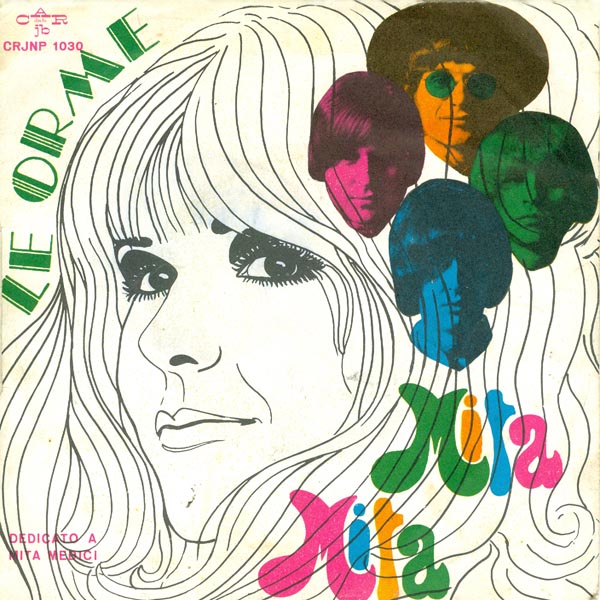
| Senti l'estate che torna Mita Mita |
Car Juke Box (CRJNP 1030) | 1968 | both tracks from Ad gloriam - two different backcovers exist |
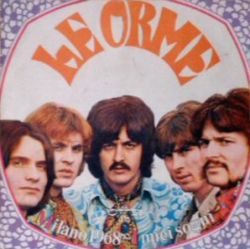
| Milano 1968 I miei sogni |
Car Juke Box (CRJNP 1044) | 1968 | both tracks from Ad gloriam |
| Irene Casa mia |
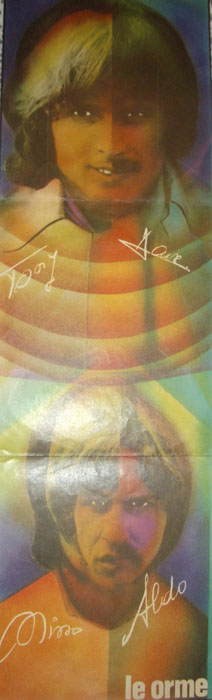
Car Juke Box (CRJNP 1050) | 1969 | first copies included a mini poster - red/blue label |
| L'aurora Finita la scuola |
Car Juke Box (CRJNP 1059) | 1970 | red/blue label |
| Il profumo delle viole I ricordi più belli |
Philips (6025 022) | 1970 | both unreleased tracks |
| Sguardo verso il cielo Cemento armato |
Philips (6025 048) | 1971 | both tracks from Collage |
| Philips (3566786) | 2021 | reissue of the above on red vinyl - 299 copies | |
| Gioco di bimba Figure di cartone |
Philips (6025 073) | 1972 | both tracks from Uomo di pezza |
| Felona L'equilibrio |
Philips (6025 101) | 1973 | both tracks from Felona e Sorona |
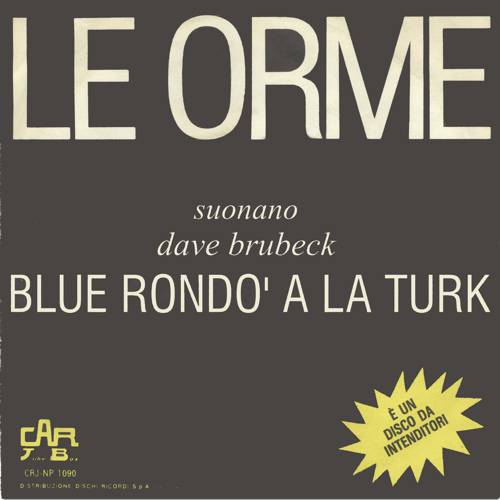
| Blue rondo a la turk Concerto n.3 |
Car Juke Box (CRJNP 1090) | 1973 | both unreleased tracks |
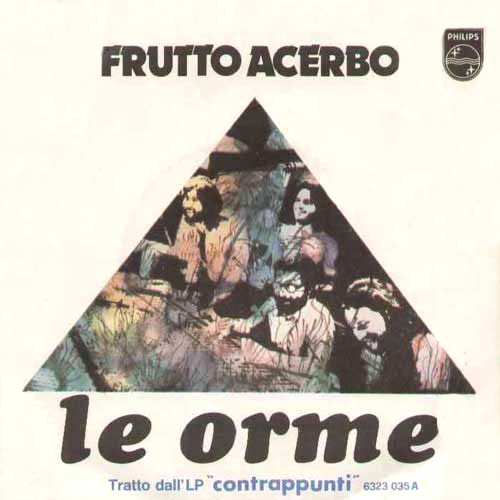
| Frutto acerbo Aliante |
Philips (6025 124) | 1974 | both tracks from Contrappunti |
| Sera India |
Philips (6025 134) | 1975 | B side from Contrappunti |
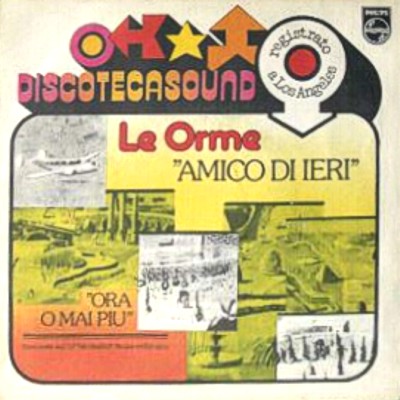
| Amico di ieri Ora o mai più |
Philips (6025 148) | 1976 | both tracks from Smogmagica |
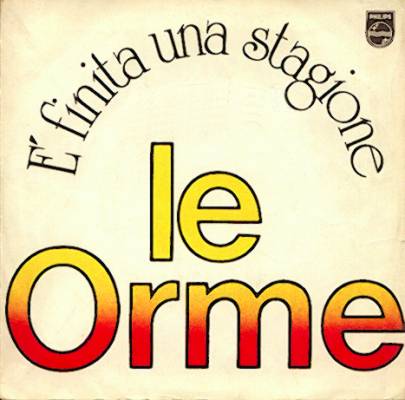
| Canzone d'amore È finita una stagione |
Philips (6025 153) | 1976 | both unreleased tracks |
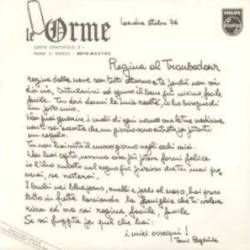
| Regina al Troubadour Verità nascoste |
Philips (6025 063) | 1976 | both tracks from Verità nascoste |
| Se io lavoro Storia o leggenda |
Philips (6025 185) | 1977 | both tracks from Storia o leggenda |
| Fine di un viaggio Il mago |
Philips (6025 236) | 1979 | both tracks from Florian |
| Piccola rapsodia dell'ape Raccogli le nuvole |
Philips (6025 252) | 1980 | both tracks from Piccola rapsodia dell'ape |
| Marinai La notte |
DDD (ZBDR 7246) | 1982 | both tracks from Venerdì |
| Rosso di sera Sahara |
DDD (DDDA 2820) | 1982 | both unreleased tracks |
| Dimmi che cos'è Dimmi che cos'è (instr.) |
Baby (DR 50369) | 1987 | both unreleased tracks |
| L'universo Chi sono io |
Philips (878 568-7) | 1990 | both tracks from Orme |
| Risveglio | Crisler (CCDS 3012) | 2001 | CD single from Elementi |
| Sulle ali di un sogno Aria |
Love Music (LM004/7) | 2017 | 500 numbered copies - side A from Sulle ali di un sogno |
|
PROMO-ONLY AND JUKEBOX SINGLES (with blank covers) |
|||
| Fiori e colori Senti l'estate che torna |
Car Juke Box (SJB 102) | 1968 | white label jukebox single |
| Fiori e colori | Car Juke Box (CRJC 8) | 1968 | 4-track promo EP also including Paki/Il segno del tuo amore, I Monelli/Nel mio cuore è nato un fiore, Katia/C'era una volta |
| Milano 1968 I miei sogni |
C.A.Rossi Editore (CR JB 17) | 1968 | 4-track promo EP also including Paki/Le formiche, I Condor/Nel cuore della notte |
| Fiori e colori Lacrime di sale |
C.A.Rossi Editore (PROMO 12A) | 1968 | 6-track promo EP released for the 1968 Sanremo Festival, with colour art cover - also includes other artists' songs |
| Senti l'estate che torna Mita Mita |
C.A.Rossi Editore () | 1968 | 6-track promo EP released for the 1968 Un Disco per l'Estate, with colour art cover - also includes other artists' songs |
| Milano 1968 I miei sogni |
C.A.Rossi Editore (N.15) | 1968 | 9-track promotional EP with colour art cover - also includes other artists' songs |
| Ad gloriam Oggi verrà Fumo Fiori di giglio Non so restare solo Conclusione |
C.A.Rossi Editore (N.16) | 1968 | 7-track promotional EP with colour art cover - also includes another artist's song |
| Irene | Car Juke Box/Telerecord (CRJNP 1050) | 1969 | jukebox single, backed with Enrico Maria Papes/La coscienza |
| L'aurora Finita la scuola |
Car Juke Box (AS 083) | 1970 | white label jukebox single |
| Il profumo delle viole | Phonogram (ASC 1027) | 1970 | 4-track promo EP also including Orietta Berti/L'ora giusta, Pippo Baudo/Gingì, The Who/See me, feel me |
| Sguardo verso il cielo Cemento armato |
Philips (6025 048) | 1971 | white label jukebox single |
| Sguardo verso il cielo | Phonogram (ASC 1045) | 1972 | 4-track promo EP also including New Seekers/Like to teach, Jane Birkin & Serge Gainsbourg/La decadense, Bee Gees/My world |
| Breve immagine | Phonogram (ASC 1052) | 1972 | 4-track promo EP also including I Nuovi Angeli/Singapore, Italo Janne/No Lucky no, Isaac Hayes/Theme from Shaft |
| Una dolcezza nuova | Phonogram (ASC 1053) | 1972 | 4-track promo EP also including Maurizio/Deserto, Italo Janne/No Lucky no, Patty Pravo/Un po' di più |
| Gioco di bimba | Phonogram (ASC 11063) | 1972 | 4-track promo EP also including Mauro Pelosi/Vent'anni di galera, I Nuovi Angeli/Troppo bella (per restare sola), Rod Stewart/You wear it well |
| Breve immagine | Philips (AS 180) | 1972 | jukebox single, backed with Mauro Pelosi/Vent'anni di galera |
| Felona | Philips (AS 214) | 1973 | jukebox single, backed with I Gens/Cara Amica mia |
| Sorona | Philips (AS 242) | 1973 | jukebox single, backed with Gary Glitter/I love you love me love |
| Blue rondo a la turk | Car Juke Box (JB 1090) | 1973 | jukebox single, backed with Abba/Waterloo |
| Concerto n.3 | Car Juke Box (JB 42) | 1973 | jukebox single, backed with Le figlie del vento/I carciofi son maturi |
| Frutto acerbo | Philips (AS 281) | 1974 | jukebox single, backed with Paper Lace/The night Chicago dies |
| Sera | Philips (AS ...) | 1975 | jukebox single, backed with Demis Roussos/From souvenirs to souvenirs |
| Amico di ieri | Philips (AS 5000 326) | 1976 | jukebox single, backed with Joe Tex/Under your powerful love |
| Canzone d'amore | Philips (AS 5000 331) | 1976 | jukebox single, backed with Barry White/You see the trouble with me |
| Regina al Troubadour | Philips (AS 5000 347) | 1976 | jukebox single, backed with Barry White/Don't make me wait |
| Se io lavoro | Philips/RSO (AS 5000 398) | 1977 | jukebox single, backed with Bee Gees/How deep is your love |
| Fine di un viaggio | Philips/CGD (AS 5000 542) | 1979 | jukebox single, backed with Pooh/Io sono vivo |
| Raccogli le nuvole | Philips/Chrysalis (AS 5000 569) | 1980 | jukebox single, backed with Blondie/Call me |
| Dimmi che cos'è | Baby/CGD (YD 718) | 1987 | jukebox single, backed with M.C.Miker "G" & Deejay Sven/Celebration rap |
| ALDO TAGLIAPIETRA, TONI PAGLIUCA, TOLO MARTON VARIOUS ARTISTS COMPILATIONS |
|||
| Prog Exhibition - 40 anni di musica immaginifica (with Los Angeles, La porta chiusa, Amico di ieri, Alpine valley, Sospesi nell'incredibile, Felona, All'infuori del tempo, Exiles, Gioco di bimba / Sguardo verso il cielo) | Immaginifica/Edel (ARS IMM 1004) | 2011 | 7 CD + 4 DVD box set also featuring Sinestesia, The Trip, La Maschera di Cera, Periferia del Mondo, Premiata Forneria Marconi, Raccomandata con Ricevuta di Ritorno, Osanna, Banco del Mutuo Soccorso |

The early Car Juke Box albums are by far the rarest and
most collectible albums by Le Orme. Both Ad Gloriam and L'Aurora are
very expensive and hard to find.
These two albums had an official private reissue (500 copies for Ad Gloriam, 520
for L'Aurora) by an Italian dealer in 1996/97, easy to identify as the labels have a white/cream lettering on red
background whereas the original classic Car Juke Box label was silver on red
(black in the case of L'Aurora). The reissued Ad Gloriam had
a non-laminated cover and standard side-opening (original had the LP inserted
from the gatefold centre), while L'Aurora contained a round sticker
reproducing the album cover. The records have the original catalogue number with an added "B" (CRJLP 00015B for Ad Gloriam and CRJLP B00023 for L'aurora).
Both albums were later reissued again by Akarma.
Some copies of Ad Gloriam
contain a white inner bag, printed on one side only, that repeats the notes
printed on the inside gatefold, apart from the four-piece line-up featuring
drummer Dave Baker. It's likely that this sleeve was printed when Galieti and
Dei Rossi left the band for their military duties. Copies with the inner bag are
particularly rare.
A reputable Italian collector distinctly remembers a promotional edition of Ad gloriam which had the vinyl contained in an inflatable plastic pillow silkscreened with the cover design, but it was impossible until now to find additional details or a picture of this rare edition.
The first album of Le Orme was one of the first records in Italy showing the influences of the new studio tricks and recording techniques experimented by The Beatles and other English bands, and contains various odd effects between the tracks. It deserves to be mentioned an excerpt from Casa mia (issued on single and later included on L'aurora) played in reverse at the end of Milano 1968, a voice asking "Perche ascolti a 45 giri?" [Why are you playing it at 45rpm?] after Fiori di giglio and easily heard playing the record at faster speed, and some feedback effects used to connect some of the album songs.
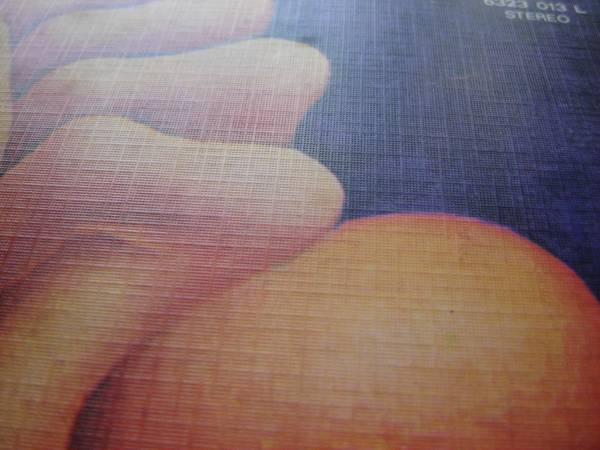
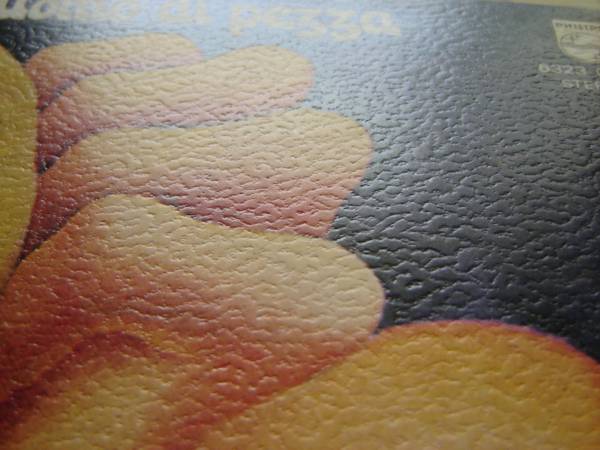
The first issue of Uomo di pezza has a gatefold textured cover with a square pattern design (see picture below). A subsequent issue has also a gatefold textured cover, but with an orange peel pattern.
The Philips albums have been reissued lots of times
during the years, the reissues have standard covers (and sometimes single
sleeves instead of gatefold) where the original were laminated or gatefold.
Later issues can also be identified by the label. Original Philips
labels are electric blue with silver lettering, reissues had a different blue background and
cream or white lettering.
In the late 70's all the Philips album by Le Orme have been reissued in the
Successo mid-price series with single covers and no inserts or inner sleeves.
These have the same numbers as the originals but can be easily identified by the
series logo on the cover.
Also some 80's reissues exist in single covers with the same catalogue numbers
as the originals and white labels with blue logo and writings.
All the albums originally released on Philips label, from Collage to Orme, are included in the 11CD mid-price box set Le Orme, issued by Universal in 2009, in a remasteerd version.
The album Il fiume, released in 1997
though the covers carry the 1996 year, has been released on CD and in a limited
numbered vinyl edition of 1000 copies, with a gatefold cover.
The 2023 album Le Orme & friends came out in numbered issues on double gold vinyl LP or triple CD box, in this case with a third CD sampler with tracks from other Ma.Ra.Cash releases.
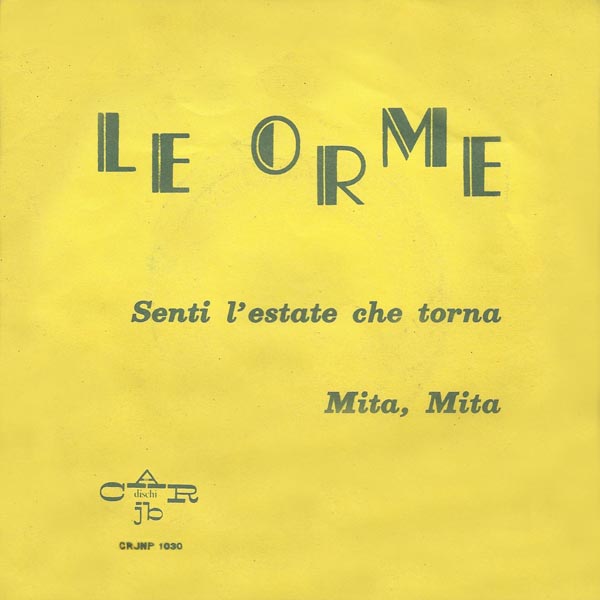
An odd single is the second one, Senti l'estate che torna. On the B-side the song Mita Mita was dedicated to Mita Medici, a popular young actress of the time, and the back cover contains her portrait. A few copies of this single have a plain yellow backcover with text only. It's likely that this was a temporary cover issued in very small quantity waiting for the definitive one with the actress' portrait; considering the rarity of this version it seems unlikely that the original cover has been withdrawn and replaced with this.
Le Orme released many singles during their career. Most of them were very successful and are still common and cheap. The rarest of these are Il profumo delle viole and Blue rondò a la turk.
An unreleased track, only issued on an acetate in 1970 along with Il profumo delle viole was called Pomeriggio d'inverno.
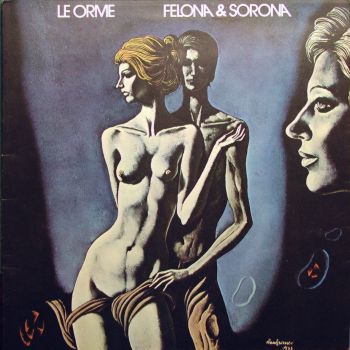
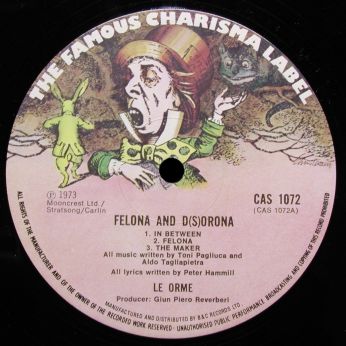
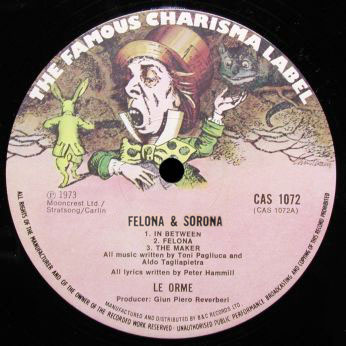
The Felona e Sorona album was also released in an
English-sung version in UK, on Charisma (CAS 1072), the lyrics being by Peter
Hammill.
A single was also planned for release in UK coupling Child's play with
Truck of fire but this was never released. The fact has been confirmed to
us by drummer Michi dei Rossi and by some Charisma collectors from the UK.
A few oddities on the UK album version, that is instantly identifiable by the Felona
& Sorona title on the non-laminated LP (instead of the
original being entitled Felona e Sorona). The name of producer
Reverberi has become Giun Piero on the label (instead of Gian Piero), and the
album title on the early labels is written Felona and D(S)orona, though it was soon corrected.
The album was issued by Charisma when it was still owned by B&C and before
that label was bought by Phonogram. Only around 5000 copies are thought to be produced, some of this were withdrawn due to a defective pressing.
Most Philips albums have been issued in Japan (Uomo
di pezza-Nippon Phonogram BT-8116, In concerto-Nippon Phonogram
BT-8121 with single cover, Contrappunti-Nippon Phonogram BT-8112, Felona & Sorona
(English version)-Charisma/Nippon Phonogram RJ-7222), where an
otherwise unavailable Live Orme double album has been released in 1986
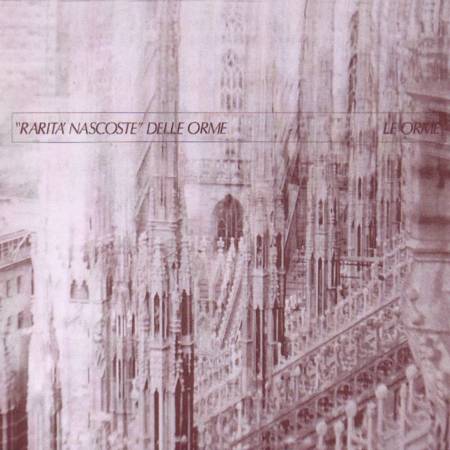
(Nexus K20P 611/12) and an EP, Rarità nascoste (Nexus 7SSY-14) were also made,
including unreleased live and TV recordings. Both are very interesting items.
All the Japanese records mentioned above have also been issued on CD.
The double Live Orme has been issued in Italy for the first time in 2009 by Black Widow, as a triple LP (two 12-inches and a 10-inch) and double CD, both with 5 bonus tracks. The album contains live recordings of very good quality made between 1975 and 1977.
In the bootleg field, a Japanese CD, with the odd title Cera un volto (that's a totally meaningless title, in Italian) deserves to be mentioned, including a live recording from a 1975 concert in Modena, the full Rarità nascoste Japanese EP (itself a bootleg, by the way), and both tracks from the 1976 single Canzone d'amore.
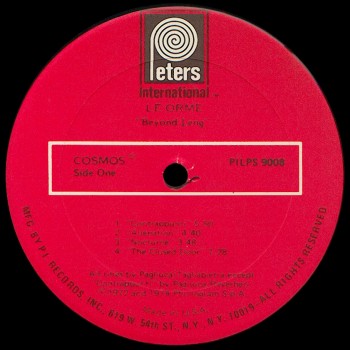
An US-only compilation, entitled Beyond leng,
was released by Peters in 1974. It contained eight tracks from Contrappunti,
Uomo di pezza and Felona e Sorona. The titles are translated in
English but the recordings are the same as the original Italian-sung albums.
Contrappunti was also released in Canada on Philips (6323 035, red
label).
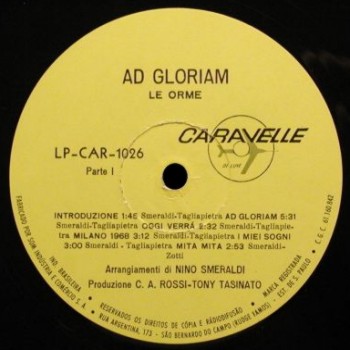
An incredible foreign issue to mention, Ad gloriam was originally released in Brazil on Car Juke Box subsidiary Caravelle (CAR LP 1026) with the same gatefold cover and yellow label. Also Brazilian vinyl issues exist of Collage and Smogmagica, while Elementi was only issued on CD in that country.
In Argentina there were local issues of Storia o
leggenda (Philips 6323 052, same number as the Italian issue but Spanish
title Historia o leyenda on cover), and of the
single Si yo trabajo/Historia o leyenda (Se io lavoro/Storia
o leggenda - as usual the foreign titles were translated, but these were
regular Italian sung versions) on Philips 6025 185, released in 1978.
In Venezuela Collage was released with single cover (Philips 40.002).
A limited issue (only a few hundreds copies) of Collage was printed in Israel, on the Phonodor label.
Also, old Korean bootleg reissues of Felona e Sorona, Storia o leggenda and Florian also exist, with single monochrome covers (unknown label reproduced original design).

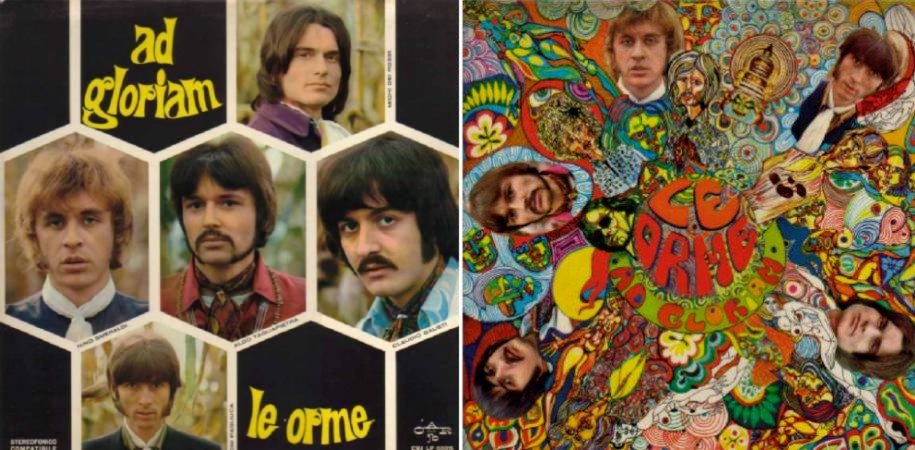 |
|
| Ad gloriam - gatefold cover | |
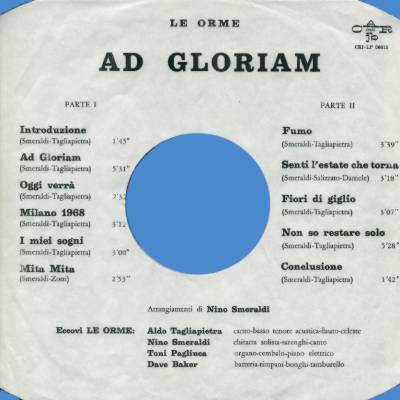 |
|
| Ad gloriam - LP, inner bag | |
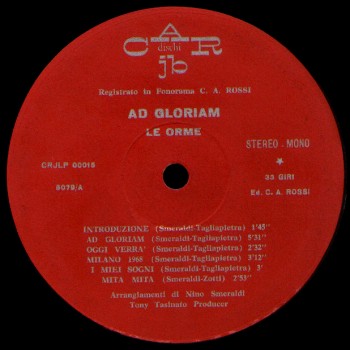
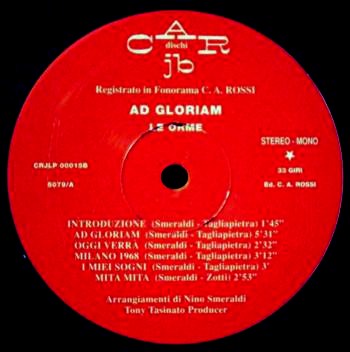
 |
|
| Ad gloriam labels: original LP - late 90's reissue LP - brazilian LP (Caravelle label) | |
   |
|
| L'aurora - LP cover, original and reissue label | |
 |
|
| Collage - LP | |
 |
|
| Uomo di pezza - gatefold cover | |
 |
|
| Uomo di pezza - first issue, squared pattern textured cover detail | |
 |
|
| Uomo di pezza - second issue, orange-peel pattern textured cover detail | |
 |
|
| Felona e Sorona - LP | |
   |
|
| Felona & Sorona (UK version) - LP and two different labels | |
 |
|
| In concerto - LP | |
 |
|
| Contrappunti - LP | |
 |
|
| Smogmagica - LP | |
 |
|
| Smogmagica - poster | |
 |
|
| Verità nascoste - gatefold cover | |
 |
|
| Storia o leggenda - LP | |
 |
|
| Piccola rapsodia dell'ape - LP | |
 |
|
| Il fiume - LP | |
 |
|
| Elementi - LP | |
 |
|
| L'infinito - LP | |
 |
|
| Live Orme - Japan LP | |
 |
|
| Beyond leng - US LP front cover and label | |
 |
 |
| Amico di ieri - CD | Progfiles-Live in Rome - CD |
 |
|
| Trilogy 1971-1973 Tour 2025 - CD | |
 |
 |
| Fiori e colori - 7" single | Senti l'estate che torna - 7" single |
  |
|
| Senti l'estate che torna - standard (left) and plain backcover | |
 |
 |
| Milano 1968 - 7" single | Irene - 7" single |
 |
|
| Irene - poster included in the early copies | |
 |
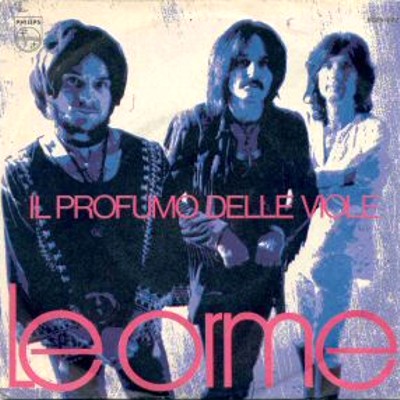 |
| L'aurora - 7" single | Il profumo delle viole - 7" single |
 |
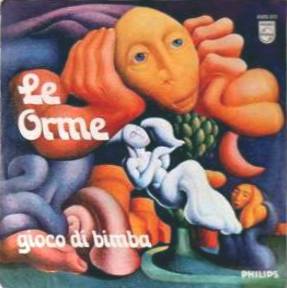 |
| Sguardo verso il cielo - 7" single | Gioco di bimba - 7" single |
 |
 |
| Felona - 7" single | Blue rondò a la Turk - 7" single |
 |
 |
| Frutto acerbo - 7" single | Sera - 7" single |
 |
 |
| Amico di ieri - 7" single | È finita una stagione - 7" single |
 |
|
| Regina al Troubadour - 7" single | |
 |
|
| Rarità nascoste - Japan EP | |

Click on pictures to enlarge
 |
|
 |
 |
 |
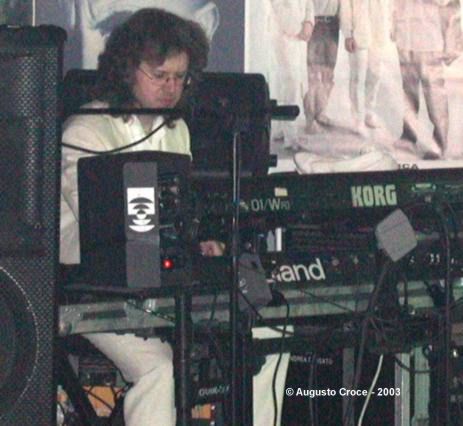 |
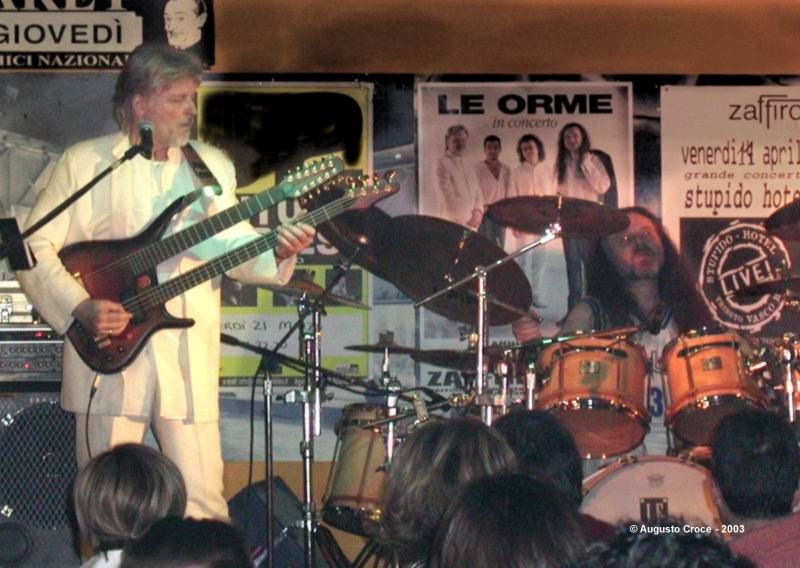
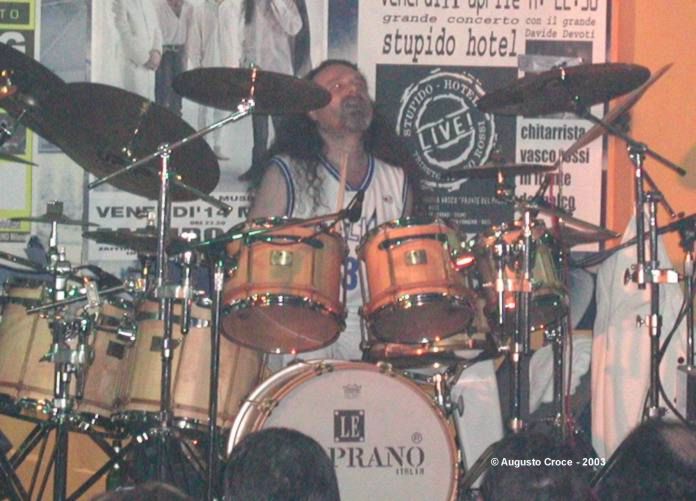
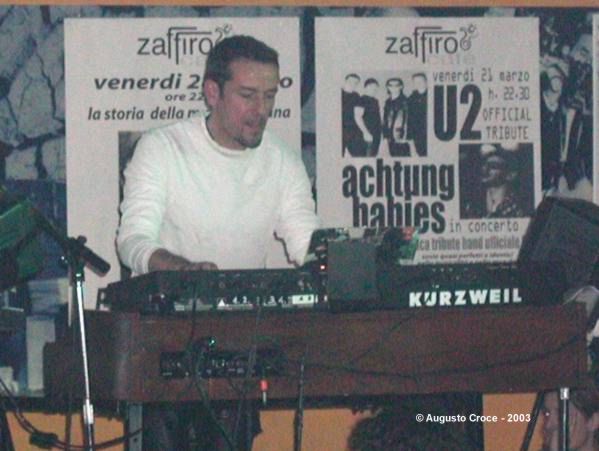
| Le Orme live in Macerata - Zaffiro Cafe 14-mar-2003 | |
 |
|
| Toni Pagliuca live
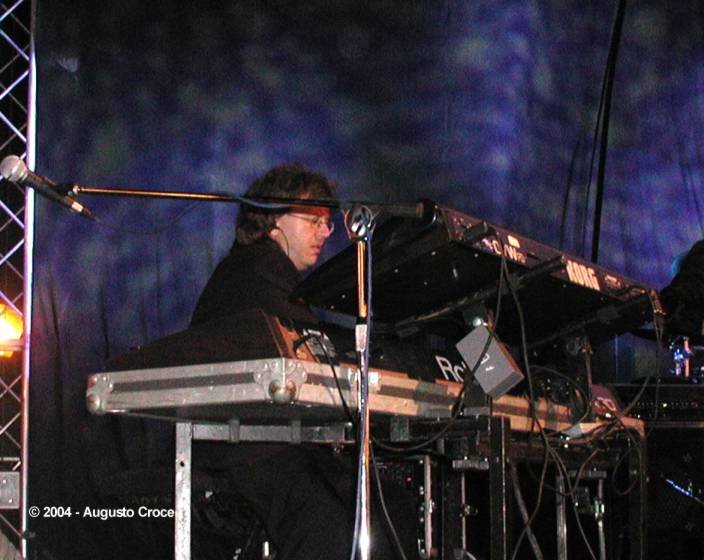
with Malaavia Sellano (PG) 8-aug-2004 |
|
  |
|
| Toni Pagliuca live
with Malaavia Pescosansonesco (PE) 14-aug-2004 |
|
|
|
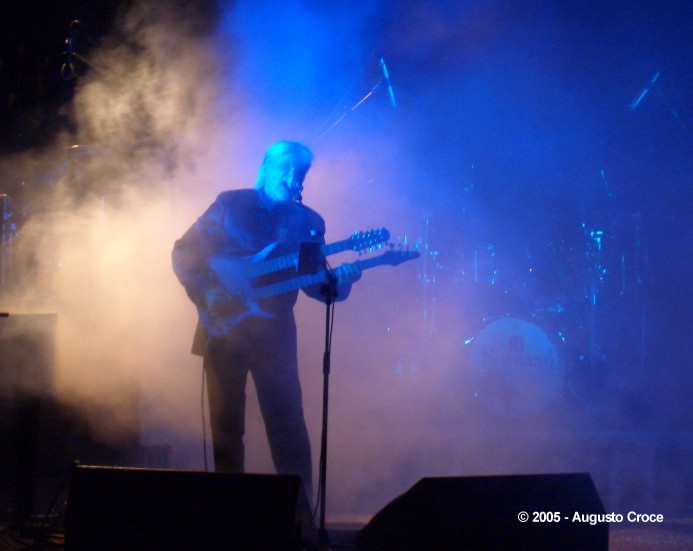
| Le Orme live in Monticchio (AQ) 22-aug-2004 | |
 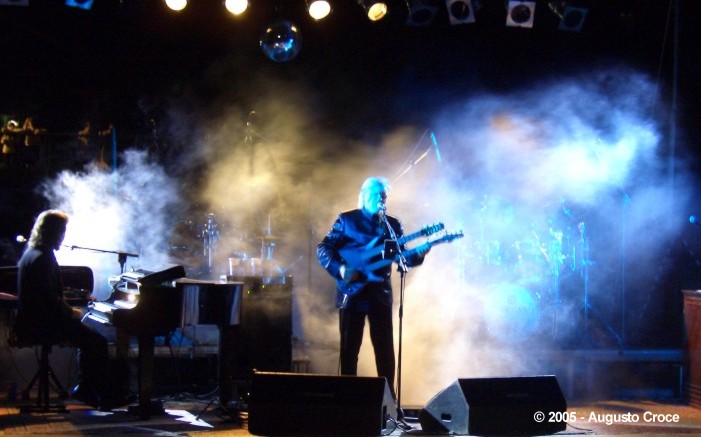 |
|
| Le Orme live in Gubbio (PG) 16-aug-2005 | |
|
|
| Le Orme
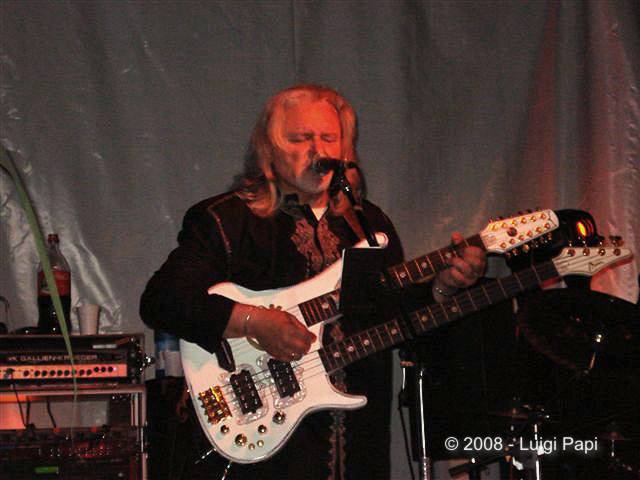
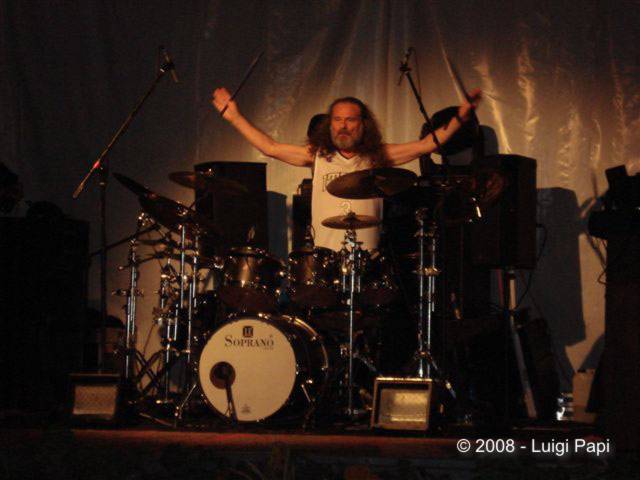
live in Civitella Marittima (GR) 5-jul-2008 Photos by Luigi Papi |
|
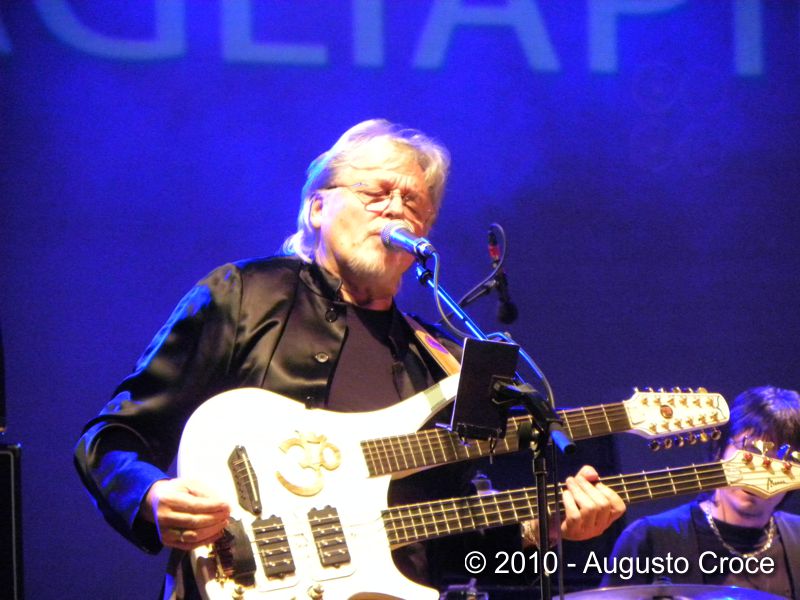 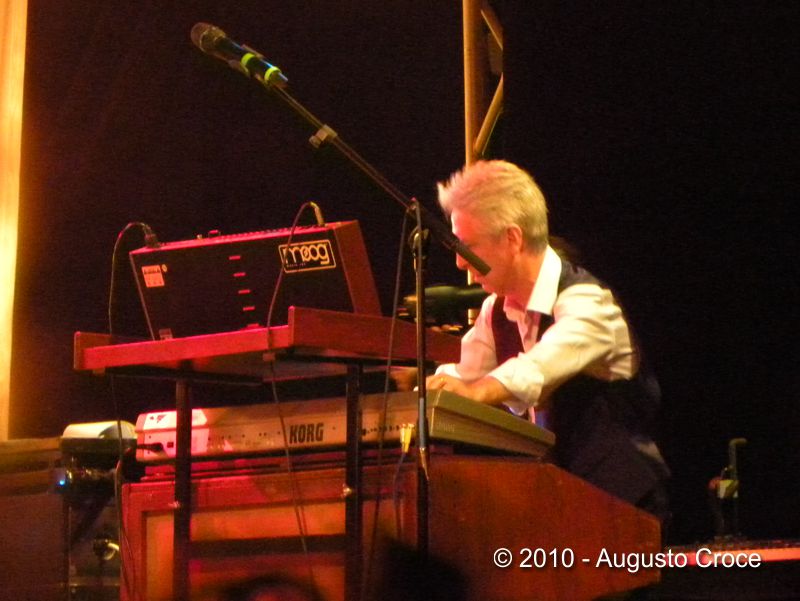 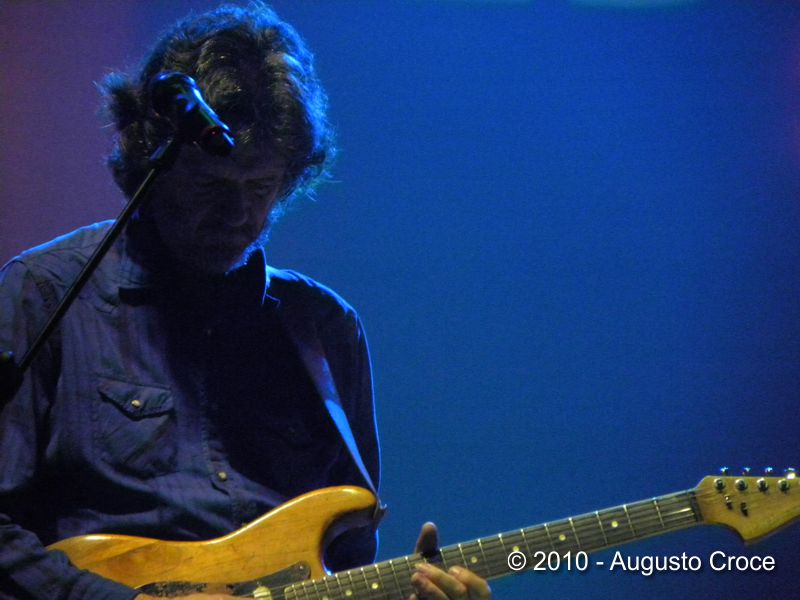 |
|
| Tagliapietra-Pagliuca-Marton at
ProgExhibition 2010 Teatro Tendastrisce, Roma, 5-nov-2010 |
|
 |
|
| Tagliapietra-Pagliuca-Marton with David Cross at
ProgExhibition 2010 Teatro Tendastrisce, Roma, 5-nov-2010 |
|

The band has an official website in
Italian and English at www.le-orme.com
Their official fan club has the website leorme-officialfanclub.com
Singer and bass player Aldo Tagliapietra has a website at www.aldotagliapietra.it
Original keyboardist Toni Pagliuca's
website can be found at
www.tonypagliuca.eu.
Toni is currently collaborating, both in the studio and in their concerts,
with ethno-prog group Malaavia, whose website is at
www.malaavia.net
Tolo Marton, guitarist with Le Orme in 1975, has his own website, www.tolomarton.com

Thanks to drummer Michi dei Rossi for help and information.
Also thanks to Humberto Luna Tirado,
Donato Santangelo, Tino of Sezione
Musica, Massimo Pozzi, Giacomo Beatrici, Luiz Claudio Cals Brügger, Marzio
Barbieri, Luigi Papi, Federico Bordo, Guilherme Tofani, Fabio Locatelli, Luciano Fassa, Peppe Carrese, Corrado Magnano, Vincenzo Gambatesa, Alessandro Pomponi, Pierre Tassone, for various pictures and information.